

If you’ve spent even a few days running ads online, you already know every platform promises the world. More clicks. More reach. Better engagement. Half of them sound the same. Some disappear just when you finally learn how to use them.
And then there’s Facebook.
For all the new apps popping up every month, Facebook targeted marketing still works like it’s got some kind of engine running underneath that the rest haven’t figured out yet. People complain about it, fight with the ad dashboard, swear they’ll switch to other platforms… and then continue using it because nothing pulls results quite like it.
So I started digging. Why does it work this well? Why do businesses still build their entire social media advertising plan around Facebook, even with Instagram, TikTok, YouTube ads, and every other shiny option?
Turns out, the answer is a mix of reach, psychology, data, and a few things nobody talks about enough.
This blog breaks it down in the simplest way possible. No complicated jargon, no fake marketing perfection. Just clear thought and real-world experience.
1. Facebook Knows What People Want (Sometimes Better Than They Do)
One thing most business owners don’t realize is that Facebook isn’t just a “social platform.” It’s a giant data machine that’s been studying user patterns for more than a decade.
Every like, share, page follow, video watch, and group activity builds a picture.
When you run Facebook targeted marketing, you’re not guessing who your customer might be. The system already has a strong idea of who engages with what, when they engage, what they ignore, and what they buy.
It feels almost unfair sometimes, but hey, if you’re running ads, you use what works.
This level of targeting doesn’t exist on many other platforms. Some are built around trends, some around entertainment, but Facebook? It’s built around user behavior.
And that’s exactly why ads hit the right people at the right time.
2. Massive Audience. Still Growing. Still Active.
People love saying nobody uses Facebook anymore. Meanwhile, the same people use it daily to stalk friends, buy products, join groups, and consume more memes than they admit.
For businesses, this matters.
A social media advertising plan needs a platform where users don’t just log in; they participate. Facebook still has that.
- Parents
- College kids
- Working professionals
- Small business owners
- Older audiences
- Hyperactive community groups
Everyone’s still there. And they aren’t just scrolling. They’re interacting.
Facebook’s reach is huge, and it keeps expanding through connected platforms like Instagram and Messenger. One ad can follow your audience through multiple locations. That multi-touch visibility alone boosts conversions like crazy.
3. Targeting Options That Go Way Beyond Age and Location
This is where Facebook targeted marketing shines the most.
You can target based on:
Interests
Behaviors
- Purchase intent
- Life events
- Device type
- Education
- Job titles
- Income range (estimated)
- Retargeting website visitors
Lookalike audiences based on your best customers
You’re basically telling Facebook:
“Find people who behave like my buyers.”
And it goes, “Cool, give me a minute.”
Most platforms ask you to guess your audience first. Facebook learns from your conversions and sharpens the targeting automatically. It’s like handing your campaign to someone who studies your data daily and just keeps making it smarter.
This is why ROI tends to rise the longer a campaign runs. Facebook actually gets better at understanding who responds to you.
4. The Ad Formats Are Built to Sell, Not Just Look Pretty
A good ad isn’t just visuals. It should stop people mid-scroll. Facebook gives marketers enough variety to do just that:
- Carousel ads
- Video ads
- Lead forms
- Stories ads
- Messenger ads
- Instant experience
- Shop ads
- Retargeting creatives
You’re not stuck with one style. You can experiment without going crazy with production budgets.
For example, a simple selfie-style video often beats a high-budget studio video. A raw product clip can outperform polished brand content.
Facebook’s algorithm favors content that feels natural, not overly produced, because that’s what users interact with.
So your social media advertising plan doesn’t need fancy equipment; it just needs consistency and testing.
5. Retargeting… The Secret That Makes Everything More Profitable
Ever checked out a product and then it starts following you everywhere?
Yeah. That’s Facebook’s retargeting doing its thing.
And it works.
Most customers don’t buy the first time they see something. They need reminders. A nudge. A second look.
Facebook tracks:
- Website visitors
- Add-to-cart users
- Past customers
- People who watched 50–75% of your video
- People who engaged with your posts
Retargeting brings these warm audiences back. Instead of spending on “new” customers every time, you’re converting people who already know you.
This alone cuts ad costs dramatically.
And honestly, if your social media advertising plan doesn’t include retargeting, half your budget is basically wasted.
6. Lookalike Audiences Are a Game-Changer
This is one of those features that makes Facebook almost too good.
You upload a list of your best customers.
Facebook studies their interests, behaviors, and patterns.
Then it finds thousands or millions of people who behave like them.
It’s like cloning your ideal buyer, but legally.
No other advertising tool has perfected this as well as Facebook. Some try. Some come close. But the accuracy you get on Facebook is still unmatched.
For scaling a business, nothing beats this. Small companies turn into mid-sized brands just by using lookalike audiences properly.
7. Budget-Friendly, Even If You Start Small
This is the part that business owners appreciate the most.
You don’t need a giant budget to start running Facebook targeted marketing.
You can start with:
- ₹300/day
- $5/day
- Basically, the price of a sandwich
- And you can still get visibility.
Other ad platforms, such as Google Ads, can drain money fast if you’re not experienced. Facebook is forgiving. It gives learning time. It gives space to experiment.
- You test 3–4 creatives.
- See what performs.
- Cut the weak ones.
- Scale the good one.
Before you know it, a small test budget can turn into a reliable revenue system.
8. Facebook Ads Fit Any Industry (Which Isn’t Common)
Some ad platforms suit certain businesses.
Example:
- TikTok = lifestyle brands and entertainment.
- LinkedIn = B2B and professional services.
- YouTube = long-form storytelling brands.
But Facebook?
It suits almost everything:
- Local shops
- Realtors
- Gyms
- Coaches
- Fashion brands
- Restaurants
- Doctors and clinics
- E-commerce
- Software companies
- Service providers
This universal fit is why every proper social media advertising plan includes Facebook, whether you’re running ads for a bakery or a SaaS business.
9. Strong Analytics That Actually Matter
Facebook doesn’t just tell you impressions and clicks. It shows:
- Conversion values
- CAC (customer acquisition cost)
- ROAS
- Time of day your audience buys
- Devices they prefer
- Gender breakdown
- Geography breakdown
- Ad frequency
- Creatives with the highest engagement
This is the kind of data you use to build a smarter advertising strategy, not guess around in circles.
- If one age group buys more, you shift the budget.
- If one creative gets more conversions, you scale it.
- If your audience stops responding, you switch angles.
Facebook gives enough clarity that even small businesses can run ads in a structured way.
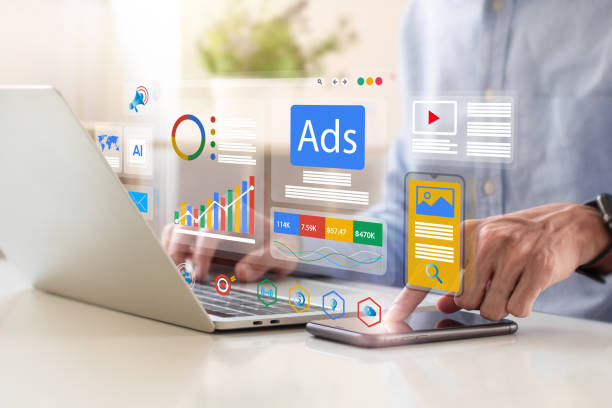
10. People Are Already in “Browsing Mode” on Facebook
This matters more than marketers admit.
- Different platforms = different moods.
- On LinkedIn, people want content.
- On TikTok, people want entertainment.
- On Google, people want answers.
- On Facebook, people browse casually.
- And casual browsing = open to discovering new things.
That psychological space makes ads feel less intrusive and more like part of the feed. If your creative blends into someone’s regular scroll time, it doesn’t feel like a pushy ad; it feels like something interesting to check out.
That alone increases click-throughs and conversions more than most people notice.
11. Community Influence Makes Ads Hit Harder
People forget Facebook isn’t just a feed. It’s also:
- Groups
- Communities
- Buy & Sell spaces
- Local discussion pages
When people are active in groups, they’re already in a discovery mindset. They’re open. Engaged. Curious. Ads placed around that mindset tend to perform better.
And what if your brand builds a community of its own?
That’s long-term gold.
Combine community + ads, and you’ve got a pipeline of loyal, returning customers.
12. It Works Because People Are Comfortable There
This point feels small, but it’s huge.
- People have been using Facebook for years.
- They know how it works.
- They know how to scroll, how to react, and how to comment.
- When people feel comfortable on a platform, they’re not guarded.
- They’re relaxed, casual, and responsive.
- And relaxed users buy more.
This psychological comfort plays a bigger role in ad success than most folks realize.
Final Thoughts
Not tricks.
Not hype.
Not the latest trend.
Just deep data, massive reach, strong psychology, and ad options that don’t require a big learning curve.
If your social media advertising plan doesn’t include Facebook, you’re missing out on predictable results that have already been proven across industries.
Facebook remains one of the most powerful advertising tools because people still spend time there, still interact, and still buy.
If you want to build a strategy that actually performs, check out Social Web.
They’ve got the experience to help brands get real results from Facebook ads without burning money in the testing phase.
FAQs
- Is Facebook targeted marketing good for small businesses?
Yes. Even with a small budget, you can reach the right people, test different creatives, and scale gradually. It’s one of the most budget-friendly advertising platforms.
- How does Facebook know who to target?
It studies user behavior like likes, follows, watch time, engagement, buying patterns, and more. Over time, it builds patterns and matches your ads with users who fit those behaviors.
- Will Facebook still be effective in 2025?
Absolutely. User activity hasn’t dropped the way people claim. If anything, engagement in groups and communities is higher than ever, which boosts ad visibility.
- What should I include in my social media advertising plan?
Target audience details, clear goals, ad creatives, testing phases, budgets, retargeting steps, and tracking metrics. Facebook makes all of these easy to implement.